×
Subscribe and save 17% with an annual subscription. Learn more.
Autumn is when a lot of lawns either steady themselves for the cooler months or start quietly falling apart. Summer damage tends to show up with a delay, especially if you have been pushing hard on mowing and watering just to keep things green.
Once temperatures ease and daylight drops, growth slows, soil moisture behaves differently, and the lawn’s priorities change. This is the part of Australian lawn care when you really need to pay attention.
The biggest shift is the lawn’s growth rate and how the soil holds water. Many lawns stop bouncing back overnight after a mow. Some grasses keep growing strongly for a while, while others slow down quickly, especially as nights cool.
A few things happen at once:
If you want a simple mindset that aligns with Australian lawn care best practice, think “recover and stabilise”, not “force and chase”.
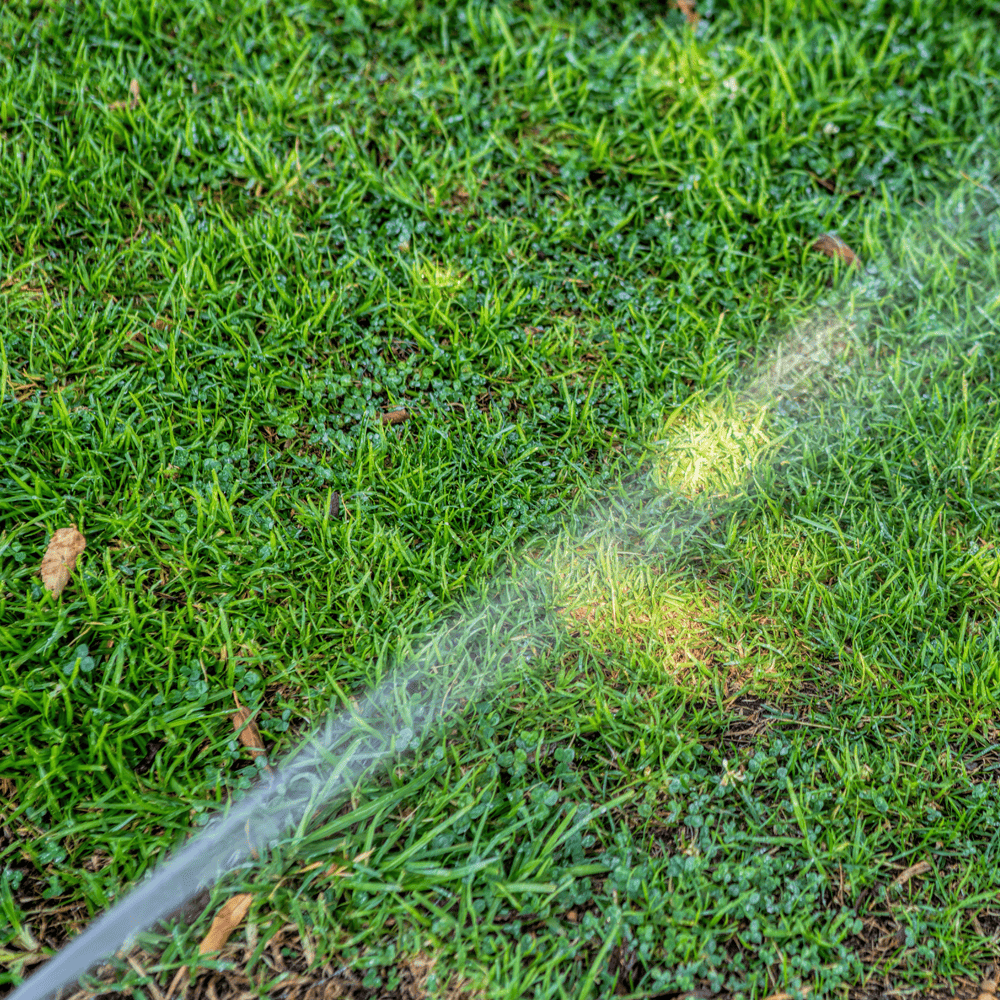
Autumn lawn care is much easier when you know whether your turf is warm-season or cool-season. The same action can be helpful for one lawn and harmful for another.
Warm-season grasses commonly include couch, kikuyu, buffalo, and zoysia. They love heat, and their growth slows as it cools. Cool-season grasses (like ryegrass and fescue mixes) often prefer milder weather and can perform well in autumn, depending on your region.
A practical rule is to manage for what the grass wants to do naturally:
If you are unsure, look at how your lawn behaves. If it thrives in summer and sulks in winter, it is probably warm-season. If it struggles in summer heat but perks up when it cools, it may be cool-season.
Autumn watering mistakes are common because the lawn still looks like it needs the same attention. People either keep summer watering going too long, or they cut water too sharply and the lawn dries out during a warm spell.
The sweet spot is to reduce watering frequency while keeping each watering deep enough to reach the root zone. That encourages roots to keep working down into the soil, which helps the lawn handle winter stress and patchy rainfall.
A practical way to adjust:
Australia’s autumn weather can swing. A warm week can still arrive, even when nights are cooler. Deep, less frequent watering keeps the lawn more stable through those shifts, which is a core part of sensible Australian lawn care.
Mowing needs change because growth slows and recovery takes longer. The lawn cannot replace lost leaf as quickly, so scalping in autumn hits harder than it did in spring. This is especially important for buffalo and any lawn that is already thin.
Aim for a mowing routine that maintains density without stressing the plant:
Autumn mowing should feel boring, in a good way. Consistent height, tidy edges, and no aggressive resets.
A lot of people fertilise in autumn out of habit, then wonder why the lawn looks lush for a bit and then gets patchy. In cooler conditions, the lawn’s nutrient demand changes. It usually needs steady support, not a big nitrogen hit that creates rapid top growth.
A good autumn approach is to feed modestly and target overall resilience. In warm-season lawns, this can mean easing off as you approach late autumn. In cool-season lawns, it can mean supporting continued density without overdoing it.
Practical do’s and don’ts:
If you want to keep it simple, a lighter feed earlier in autumn, then reassess later, is often safer than one heavy application that tries to do everything at once.
Weed pressure changes as temperatures drop. Some summer weeds slow down, but autumn and winter weeds start establishing. The big risk is that thin lawn areas left by summer become the perfect entry point.
Weed control works best when it is paired with turf thickening. If the lawn is dense, weeds have less opportunity to get established.
Practical habits that help:
In a lot of Australian lawn care routines, the hidden win is simply closing gaps early. A thick lawn is the most reliable long-term weed strategy.
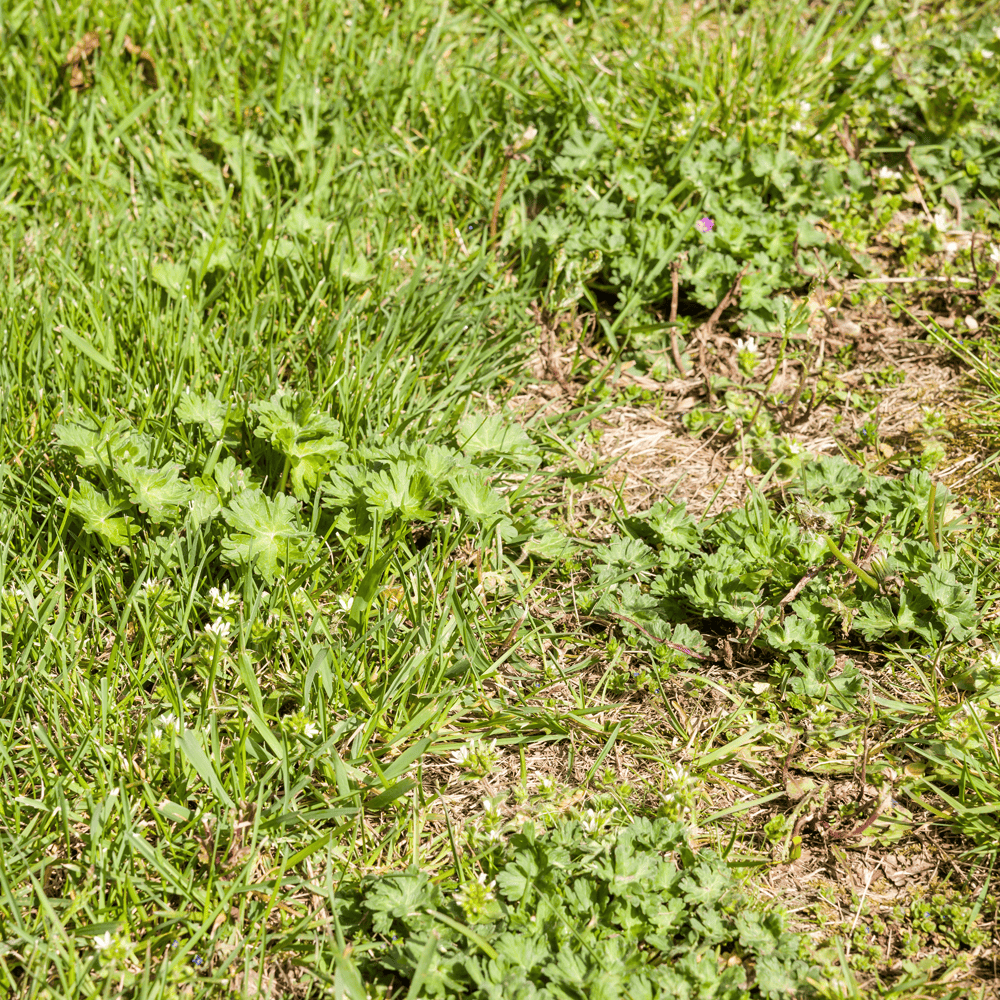
Autumn can bring a different mix of lawn problems. Some pests remain active, and disease can become more noticeable due to cooler nights, more dew, and slower drying. Not every brown patch is disease though, and not every thinning patch is pests.
A calm check helps you respond correctly:
Support prevention with simple management first. Improve airflow, avoid watering late in the day, and do not keep the lawn constantly damp. If you treat, treat based on a reasonable identification rather than guesswork.
Autumn lawn care is mainly about changing gears. Summer was about survival, keeping moisture up and preventing heat damage. Autumn is about recovery and resilience, keeping the lawn dense, supporting roots, and avoiding the common traps of overwatering, overcutting, and overfeeding.
For more lawn care tips, seasonal advice, and eco-friendly product recommendations, follow the Wirri blog. Stay tuned for updates!