×
Subscribe and save 17% with an annual subscription. Learn more.
By the time late summer starts to fade, most WA lawns are showing it. The colour dulls off, the top layer feels a bit crispy, and watering starts to feel like it is barely keeping up. This is when Australian lawn care can get visceral.
Autumn is your chance to reset. The soil is still warm enough for root growth, but the days are less brutal, and that combination makes recovery much easier.
When the days cool, many people either keep summer watering going for too long, or they cut it back too hard. Either way, the lawn struggles. Wirri always advises to keep moisture steady enough for roots to recover, while training the turf away from shallow, surface-level dependence.
Autumn rain can trick you into thinking you can switch irrigation off immediately. One decent shower is not the same as consistent soil moisture, especially in sandy profiles that drain fast.

Summer mowing habits can do damage if you carry them into autumn. Cutting too low after a stressed summer is one of the fastest ways to set the lawn back again, particularly for buffalo and any lawn already thin.
Aim to protect the plant while it rebuilds roots:
Once the lawn is responding, you can bring the height down slightly if you prefer a tighter finish, but do it slowly. Autumn is about steady improvement, not aggressive resets.
A lot of WA lawns sit on sandy soil that can become water-repellent after extended heat. Add foot traffic and you get compaction too, which blocks roots from pushing deeper. If you fix these now, everything else you do works better.
Start with the least disruptive options, then step up if needed:
If you are trying to follow solid Australian lawn care practice, think of this as the “make watering actually work” step. Without it, you can feed and water perfectly and still get uneven results.
Thatch is not always evil. A little can protect the crown of the grass, but too much becomes a sponge that holds water at the surface and blocks it from reaching roots. After summer, thatch can also trap heat and create a cosy zone for pests.
If your lawn feels bouncy or you see a thick layer of brown material between green blades and soil, it may be time to thin it out.
Choose a method that matches the lawn’s condition:
Do not combine a heavy dethatch with a severe mow and strong feeding all in the same weekend. Stacking stress is how lawns spiral.
Wirri cautions that Autumn fertilising is different to spring. The lawn still benefits from nutrients, but you want steady recovery, not soft growth that struggles later.
A simple way to think about it is: feed the engine (roots and soil), not just the paint job (leaf colour).
Key habits that tend to work well:
If you are unsure, a lighter feed now, followed by another small application later in autumn, often beats one heavy dump that the lawn cannot handle.
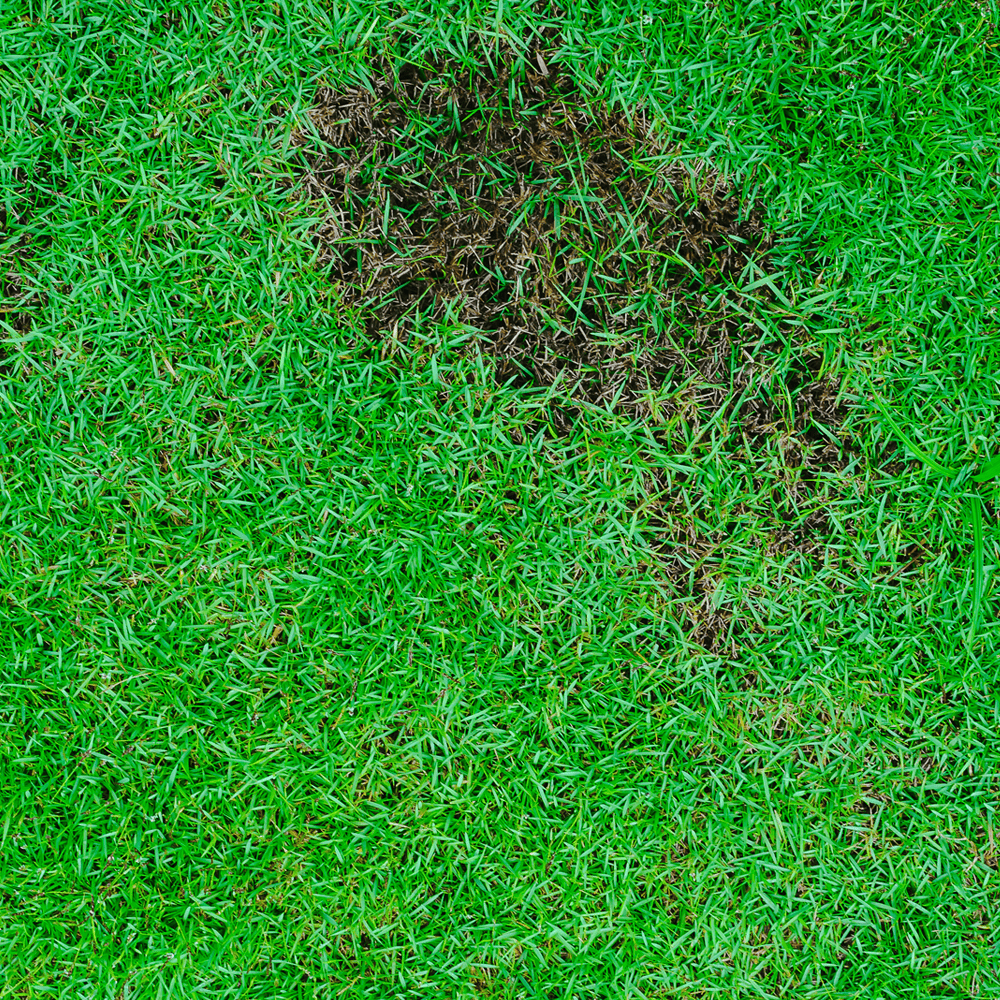
Bare patches in autumn are basically open invitations for weeds. Fixing them early makes winter and spring easier.
Start by working out why the patch happened, otherwise you are just repainting over the same crack.
Common causes and matching fixes:
For small repairs, turf plugs or small pieces of matching turf can be quick. For larger thin areas, encouraging lateral spread through better mowing height and feeding is often the easiest approach, especially for couch and kikuyu.
Autumn weeds are not just annoying, they are strategic. Many will establish now, then explode later when you would rather the lawn be thickening up.
A clean autumn weed plan is mostly about timing and consistency.
Start with these steps:
If you do use a herbicide, match it to your turf type and follow the label carefully. A product that is safe for couch might not be safe for buffalo.
As nights cool and moisture patterns shift, lawns can become vulnerable in new ways. Some pests remain active into autumn, and fungal issues can show up when there is more dew and less drying heat.
A calm, observant approach beats panic treatments:
If the lawn is worsening quickly or you are not sure what you are seeing, it can be worth getting a professional eye on it before you throw products at the problem.
A strong summer-to-autumn transition in Western Australia comes down to three things: restoring even moisture into the soil, easing the lawn back into healthy growth through smarter mowing and feeding, and closing the gaps before weeds take over. Do those well and the lawn usually rewards you with thicker coverage, better colour, and fewer headaches heading into winter.
For more lawn care tips, seasonal advice, and eco-friendly product recommendations, follow the Wirri blog. Stay tuned for updates!