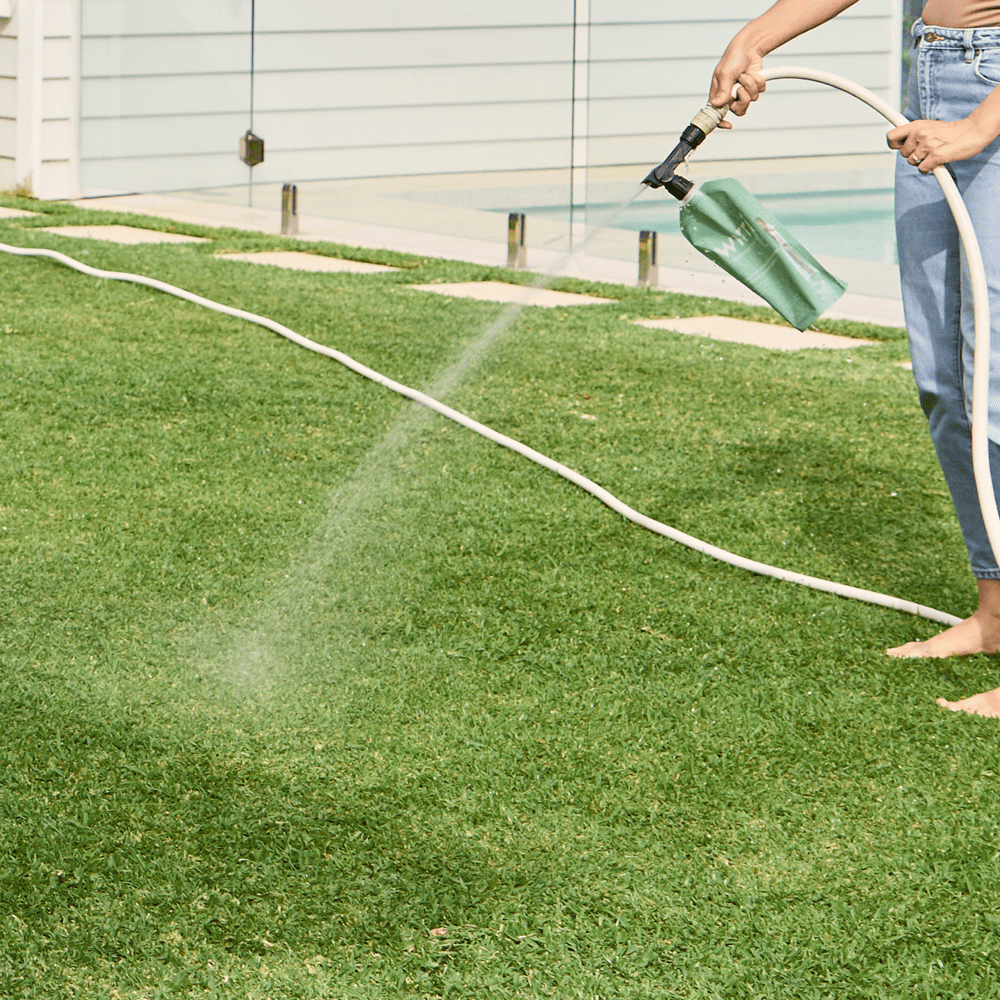
Adjusting Your Lawn Watering Schedule as Summer Ends
When summer starts easing off, the instinct is to keep watering like nothing has changed. That is usually where lawns get into trouble. The weather feels nicer, but your turf and soil are still carrying heat stress, compacted spots, and uneven moisture from months of big evaporation.
Good Australian lawn care in late summer and early autumn is mostly about recalibrating, reducing water waste without letting the lawn slide, and lowering the risk of disease that loves mild nights and damp leaf.
Why Your Summer Watering Schedule Stops Working
Summer schedules are built around high evaporation and long hot days. As the season turns, those settings can quickly become too much, especially if you are watering at the same frequency and run time.
Overwatering in early autumn often shows up as soft growth, patchy colour, lingering dampness, and new disease pressure. Underwatering shows up differently, with the lawn looking flat, holding footprints, and taking longer to bounce back after mowing.
The shift is not just temperature. It is also lower wind, cooler nights, occasional rain, and less intense sun. All of that changes how long moisture sits in the soil and on the leaf.
What Changes Between Late Summer and Early Autumn
The biggest practical change is that your lawn usually needs less water per week, but it still benefits from deep watering when it does get irrigated. The goal is to stop “topping up” every day or two, while avoiding the mistake of cutting watering so hard that the lawn never recovers from summer stress.
A few seasonal factors that drive the change:
Cooler nights mean slower drying, especially in shaded areas.
Morning dew becomes more common, adding leaf wetness hours.
Rainfall becomes more likely in many areas, even if it is inconsistent.
Growth rate starts to slow, so water use drops.
Soil can stay damp longer, especially if you have clay, compacted areas, or heavy thatch.
This is why watering by habit fails. You need a schedule that responds to what the lawn is actually doing.
Start with a Quick Reality Check Before You Change Anything
Before you adjust timers, check how your lawn is holding moisture right now. Two lawns on the same street can need very different watering, based on soil type, shade, and turf variety.
A simple check takes five minutes:
Walk the lawn in the morning and again late afternoon. Note which zones dry fastest and which stay cool and damp.
Push a screwdriver into the soil. If it slides in easily 10 to 15 cm, moisture is probably fine. If it stops short or needs force, you are likely too dry.
Look for runoff signs, like water pooling or running down paths during irrigation. That points to compacted soil, hydrophobic patches, or sprinklers applying water faster than the soil can absorb.
This step stops you from making blanket changes that suit one corner of the yard and wreck the rest.
How Often to Water as Autumn Starts
As a general starting point, most lawns can step down in frequency as the heat drops, but the exact pace depends on your conditions. Instead of locking onto a single number, aim for a reduction that matches how quickly the top few centimetres dry out.
Here are practical “starting points” you can adjust from:
If you watered every day in peak summer, start by moving to every second day, then reassess after a week.
If you watered three times a week, try dropping to two times a week.
If your lawn is shaded, on clay soil, or has heavy thatch, you may need less frequent watering than sunny sandy areas.
Watch the lawn for response rather than chasing a calendar. The best schedule is the one that keeps the root zone moist without staying soggy.
How Long to Water Each Time
Run time matters as much as frequency. Short, frequent watering encourages shallow roots and creates the conditions that disease enjoys. Longer watering less often is usually better, provided you are not causing runoff.
The target is to wet the root zone, not just the surface. For many established lawns, that means watering long enough that moisture reaches roughly 10 to 15 cm down.
A practical way to calibrate sprinklers:
Place a few straight-sided containers (like small tubs or similar) around a zone.
Run irrigation for 10 minutes and measure how much water collected.
Use that to estimate how long it takes your system to apply enough water for a deeper soak.
If runoff starts before you get depth, use a cycle-and-soak approach. Run shorter bursts with breaks in between so water can move down instead of sideways.
Best Time of Day to Water for Health and Disease Control
As nights cool, leaf wetness becomes a bigger issue. Watering at the wrong time can leave grass blades damp for hours longer than necessary, which increases disease risk.
Early morning is usually the best window because it gives the lawn time to dry quickly once the day warms. Midday watering is less efficient due to evaporation, but it can be useful in extreme heat spikes. Evening watering is the one to treat cautiously during the summer to autumn transition, because it can keep the lawn wet overnight.
If you can only water at certain times, focus on reducing how long the leaf stays wet. That can mean slightly shorter run times, fewer water days, and better sprinkler targeting so paths and shaded corners do not stay damp.
Using Rainfall Properly Instead of Watering Over the Top
Autumn rain can be light and scattered, which tempts people to ignore it and keep watering normally. That is a quick way to oversaturate the soil.
After any rain, do a quick soil check before you water again. If the soil is still damp 5 to 10 cm down, delay irrigation. If only the surface is wet and the soil below is dry, you might still need a deeper watering later.
A practical rule: rain that only dampens the surface does not replace a proper deep soak. Rain that actually penetrates into the root zone often replaces one of your watering days.
Key Takeaways
As summer ends, watering needs to step down, but it should be done in a way that supports recovery and reduces disease risk. Focus on fewer watering days, deeper watering events, early morning timing, and system adjustments that improve coverage and prevent waste. Use soil checks, not habit, as your main cue, and pay extra attention to shaded or heavy-soil zones that stay damp longer.
For more lawn care tips, seasonal advice, and eco-friendly product recommendations, follow the Wirri blog. Stay tuned for updates!