×
Subscribe and save 17% with an annual subscription. Learn more.
Proper winter lawn care demands knowing if a brown patch is sleeping or dying. Property owners panic at the first sign of winter discolouration and waste money treating healthy grass that just needs a rest. Warm-season grasses naturally shut down when temperatures drop below certain thresholds.
Natural winter dormancy presents as a uniform loss of green colour across the entire lawn. The grass blades turn a pale straw or golden brown hue. The underlying stems and runners remain firm and retain a slight greenish tint. Turf professionals look for specific indicators to confirm normal dormancy:
Grass in the shade might lose colour a few weeks earlier than turf in full sun. This happens because shaded soil cools down much faster during autumn. If a lawn cops a hammering from frost, the browning can happen almost overnight.
Frost damage causes the moisture inside the grass blades to freeze and rupture the plant cells. The lawn looks terrible, but the central crown of the plant usually survives.
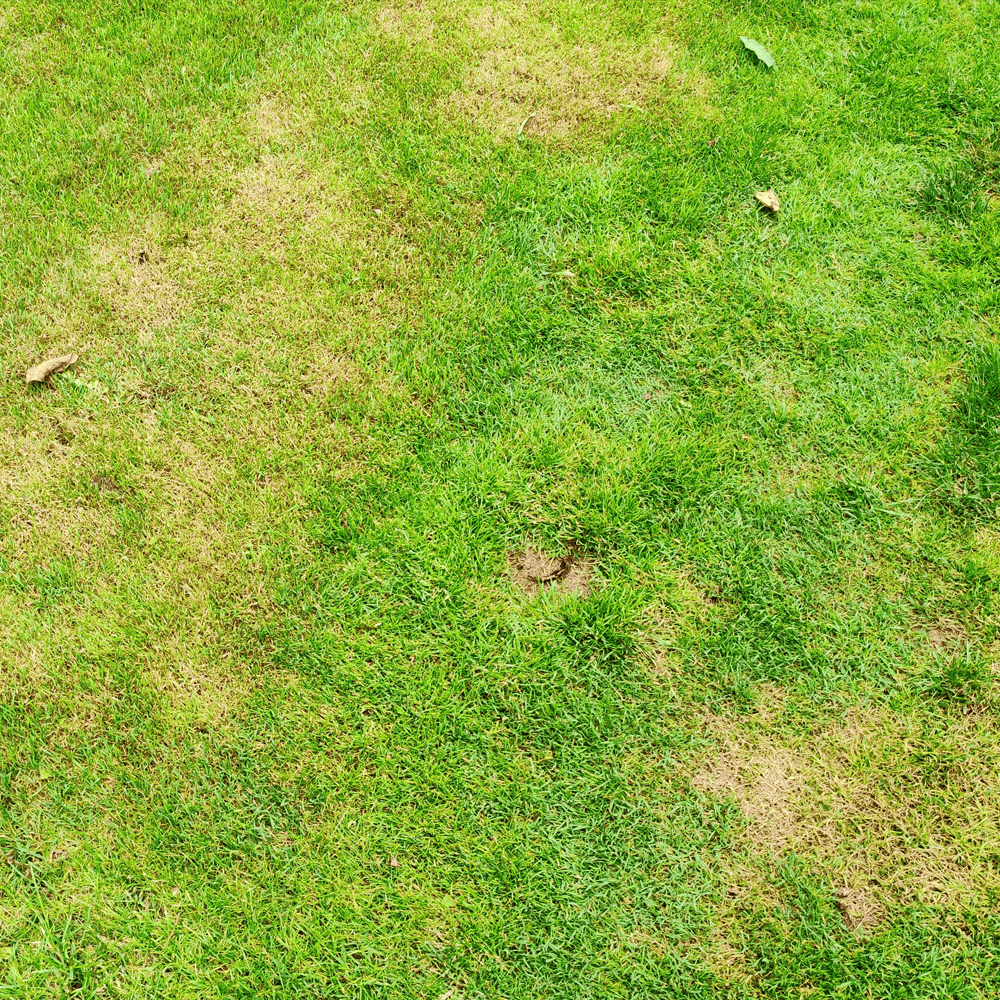
A lawn in genuine trouble displays irregular, expanding patches of brown, dead grass that pull away easily from the soil. These symptoms suggest something more sinister than a normal seasonal sleep. Fungal diseases or severe soil issues often masquerade as cold-weather stress. Field experience shows disease pressures spike when cold soils remain permanently wet:
Black beetle larvae often cause severe root damage that only becomes obvious during colder months. The grubs sever the root system, meaning the plant can’t access water. The common line in the trade is that pulling on the grass tells the whole story.
If a handful of brown grass comes up with zero resistance, the roots are gone. That indicates a severe pest or disease issue.
Poor drainage creates a waterlogged environment that literally drowns turf roots and promotes highly destructive fungal pathogens. Winter rainfall often exposes underlying soil issues that stay hidden during dry summer months. Heavy clay soils are notorious for this exact problem. When the soil pores fill completely with water, oxygen gets pushed out.
The roots suffocate, and the lawn rapidly deteriorates. Property managers often deal with compacted high-traffic areas during wet winters. Areas where vehicles park or dogs run constantly suffer the most damage. The soil particles get squashed together, forming an impenetrable barrier to water and air.
The turf sits in a freezing puddle and slowly rots away. There’s no point throwing money at a problem if the soil resembles solid concrete. Industry standards suggest testing soil compaction using a simple penetrometer or a long screwdriver. If a metal probe can’t penetrate past 50 millimetres, the compaction is severe.
Turf roots need at least 150 millimetres of loose soil to function properly. Correcting this requires mechanical intervention. Using a proper core aerator removes physical plugs of soil to relieve this pressure. Leaving the extracted soil cores on the surface allows them to break down naturally.
Applying a tailored winter pack containing specialised nitrogen and soil mixes provides essential nutrients that promote healthy growth during harsh conditions. While standard granular fertilisers fail in cold weather, specific seasonal formulations enhance moisture management and keep the turf resilient. These targeted products absorb effectively even when soil microbes slow down.
Many property owners mistakenly starve their lawns during winter, assuming the grass can’t process any inputs. Field testing proves that using a winter-specific nitrogen product maintains cell strength and colour. It supplies just enough energy to keep the plant stable without burning the roots. The grass remains well-fed and ready to thrive once spring arrives.
Experienced groundsmen test soil pH heavily during the colder months. Turf grasses prefer a slightly acidic soil pH between 6.0 and 7.0. When the pH sits outside this range, nutrient lockup occurs. Fixing soil chemistry during dormancy sets the stage for rapid spring recovery.
Applying agricultural lime to acidic soils takes months to break down completely. Doing this amendment work during winter makes perfect logistical sense. The turf handles soil adjustments well during the colder months. Supplying the right mix of winter soil amendments ensures the plant structure remains intact.
Protecting dormant turf requires minimising physical stress, addressing drainage issues early, and applying targeted winter nutrition to maintain plant strength. Good winter lawn care focuses on combining defensive maintenance with the right seasonal products to prevent massive repair bills in spring. Specific interventions help a dormant lawn survive until the weather warms up:
Treating grass poorly during the cold months guarantees a sluggish recovery when things warm up. If the lawn gets a proper crack at resting without being trampled, it bounces back fast. Professional turf operators often raise their mowing heights by 10 to 15 millimetres heading into autumn.
Leaving more leaf area helps the plant store extra carbohydrates before the coldest days hit. This stored energy works alongside winter soil treatments to fuel the eventual spring green-up.
Excessive thatch holds surface water like a sponge and prevents oxygen from reaching the root zone during cold, wet months. Thatch is the layer of dead and living organic matter that sits between the soil and the green vegetation. When this layer gets thicker than 15 millimetres, it becomes a serious liability. It turns into an incubator for fungal spores and overwintering insect pests.
Winter isn’t the right time to undertake heavy scarifying or vertimowing. Ripping into the thatch layer when the grass is stressed causes massive physical trauma. The plant can’t grow back quickly enough to repair the damage until spring arrives. Leaving a lawn completely scalped in June just invites weed seeds to settle in.
The bare soil cops the full brunt of cold winds and severe frost. Smart operators monitor the thatch thickness during winter to plan their spring renovations. They might apply liquid dethatching products containing enzymes to slowly break down the organic matter. This biological approach works gently without tearing the turf to shreds.
It’s a calculated preparation step that pays off when temperatures finally rise. Property managers document the thatch levels across different zones to create a targeted action plan. Managing these layers properly ensures that subsequent fertiliser applications actually reach the soil surface.
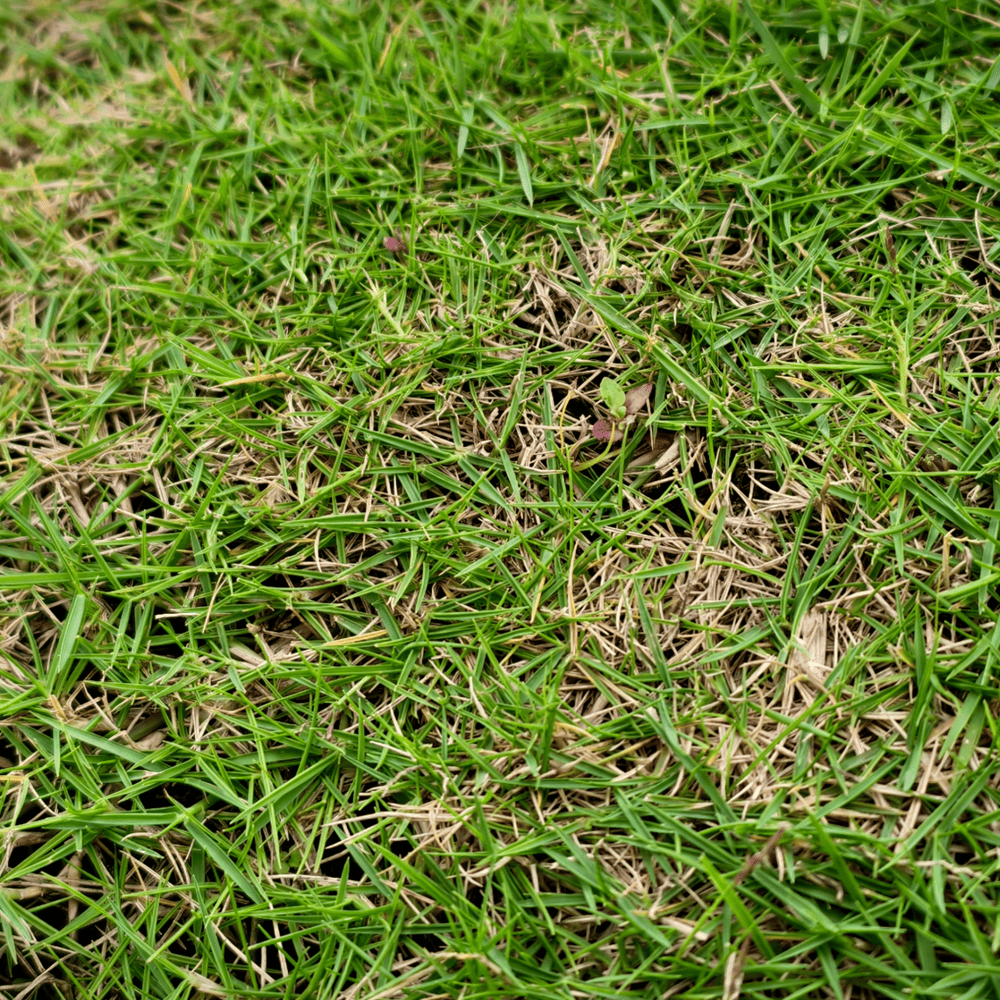
Dormant lawns require minimal water, usually only needing irrigation if rainfall stops for several weeks. The root system still needs slight moisture to survive, but the soil shouldn’t stay soggy. Overwatering causes cold soil temperatures to plummet further, aggressively encouraging dangerous root rot. It’s vital to rely on natural rainfall as much as possible during July and August.
Applying a tailored winter pack containing specific nitrogen and soil mixes safely promotes healthy growth during cold months. Standard summer fertilisers fail because they can’t break down properly in freezing soil. Using seasonal formulations enhances moisture management and provides essential nutrients to keep the turf strong. It sets the plant up perfectly for the spring transition.
Mowing can continue, but it should happen far less frequently and at a higher cut. The main goal is simply to tidy up any straggly growth or clean up fallen leaves. Taking too much leaf off a dormant plant removes its protective canopy entirely. This exposes the sensitive crown of the grass plant to severe frost damage.
Understanding the physiological differences between dormancy and turf damage saves immense time and frustration. A fading lawn in July usually represents normal biology doing its designated job to protect the plant. Property managers who combine this understanding with targeted winter lawn care end up with much healthier turf long-term.
For more lawn care tips, seasonal advice, and eco-friendly product recommendations, follow the Wirri blog. Stay tuned for updates!