×
Subscribe and save 17% with an annual subscription. Learn more.
Winter brings a massive slowdown for warm-season grasses across Australia. Many property managers look at struggling turf and wonder about mechanically opening the soil. Soil compaction becomes highly visible during these wet, cold months. But lawn aerating in winter is only necessary to relieve severe waterlogging, otherwise waiting until spring yields far better results.
Punching holes during winter breaks the surface tension on hard soils when they’re soft enough to actually penetrate. Many contractors reckon waiting for spring means dealing with ground baked as hard as concrete. A wet soil profile lets the steel tines slide in without tearing the tractor apart.
Waiting until September isn’t always an option for high-traffic sites. Sports fields and busy commercial grounds cop a hammering all year. These areas often need mechanical intervention just to survive until warmer weather arrives. Spiking the ground relieves the worst of the surface pressure immediately.
It gives standing water somewhere to go besides pooling on the top. This basic drainage improvement prevents the crown of the grass plant from rotting. Rotting crowns lead to massive dead patches by the time August rolls around. Turf professionals know that dead patches invite severe weed infestations.
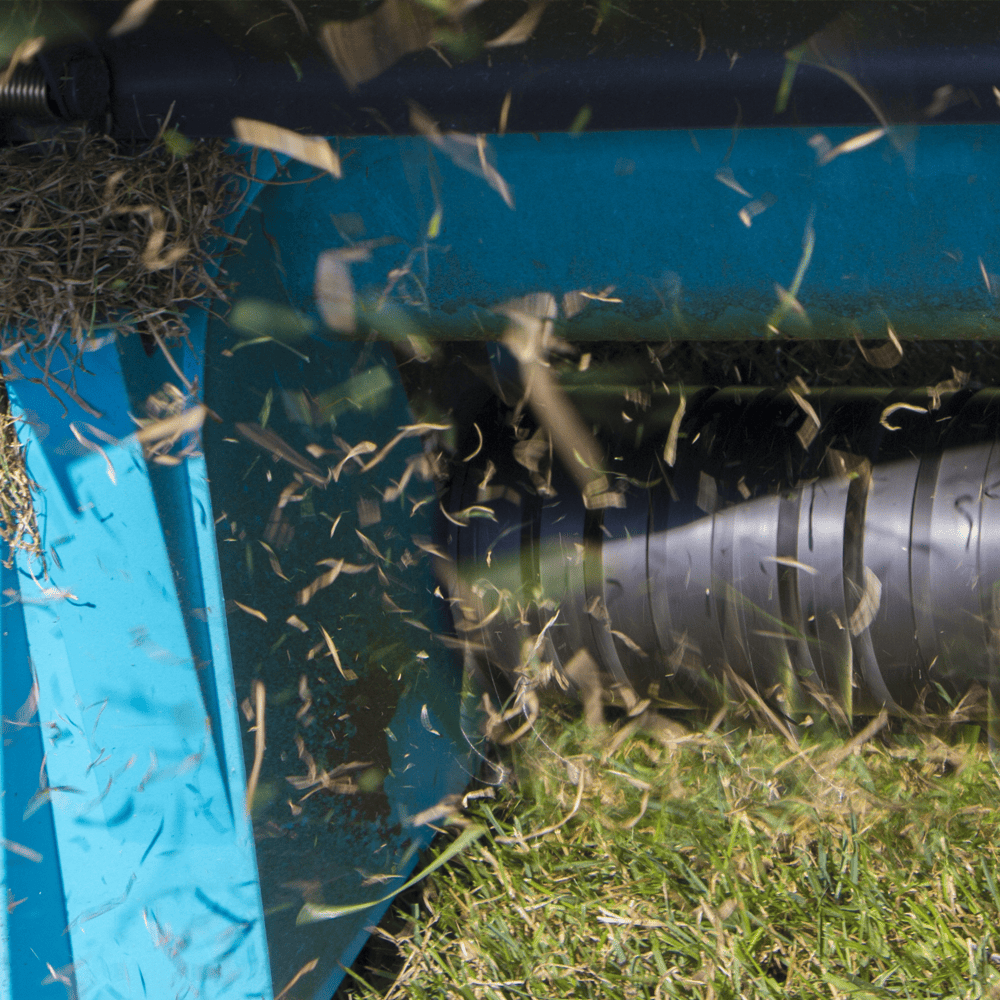
Opening the soil profile in mid-winter directly exposes dormant roots to frost damage and freezing temperatures. Warm-season varieties like couch and kikuyu completely stop growing when soil temperatures drop below fourteen degrees. They simply can’t recover from mechanical damage when they’re asleep.
Running a heavy machine over a dormant lawn often creates secondary issues. A heavy aerator easily smears the sides of the holes in wet clay. This mechanical smearing creates a glazed clay pot effect that seals the hole completely.
Roots won’t grow through that glazed barrier even when spring arrives. The common line in the trade is that winter ground work often creates a bigger mess. The grass just sits there looking chewed up until October. Clients tend to spit the dummy when the site looks like a mud pit for twelve weeks.
Water sitting on the surface for more than twenty-four hours points to a severe drainage failure requiring immediate action. Most operators agree that drowning grass is worse than mechanically stressed grass. Total waterlogging starves the root system of oxygen incredibly fast.
Catching these visual signs early saves the entire lawn from rotting away entirely. Sometimes a property manager has to make a tough call. Leaving the ground alone means the grass will certainly drown. Slicing the surface with solid blades is usually the safest bet here.
It opens a temporary drainage channel without pulling messy plugs out of the wet earth. This emergency relief stops the anaerobic bacteria from killing the root system. It’s tough work, but saving the grass always involves a bit of hard yakka.
Delaying the aeration program until September ensures the grass is actively pushing new growth and heals rapidly. Warm soil temperatures trigger the turf’s natural recovery and repair mechanisms. A lawn aerating session in October yields completely different results than one in July.
Spring ground conditions usually offer the perfect balance of moisture and warmth. The dirt isn’t frozen solid, and it isn’t a sloppy mess either. Pulling cores out of spring soil leaves clean, neat holes across the site. The surrounding grass quickly sends new runners directly into those open spaces.
This rapid colonisation blocks winter weeds from gaining any foothold. Contractors generally prefer spring scheduling because the visual recovery takes weeks instead of months. Property managers don’t panic about the site looking like a ploughed paddock. The granular fertiliser applied after aeration breaks down perfectly in the warming soil.
Every dollar spent on spring turf renovation delivers a highly measurable result. The turf quickly thickens up and chokes out any competing weeds. Spring scheduling simply offers the highest return on investment for turf health.
Solid tine spiking is the only sensible machinery choice for winter ground work instead of pulling messy soil cores. Hollow coring machines extract plugs of dirt that turn into muddy sludge during July downpours. Solid tines just punch a clean vertical hole and pull straight out.
Running a hollow corer in wet weather is a classic rookie mistake. The steel tines clog up with wet mud after about three metres of travel. The operator then spends half the day bashing mud out of the metal tubes. Solid tines don’t suffer from this frustrating clogging issue at all.
Some operators use slicing machines instead of traditional punch aerators. Slicers use a rotating drum of triangular blades to cut narrow slits into the turf. These slits close up fairly quickly but provide enough immediate relief for stagnant water. It’s a low-impact method that won’t leave the site looking heavily damaged.
Deep tine aeration offers another option for severely waterlogged commercial sites. This heavy equipment punches massive steel spikes up to thirty centimetres into the ground. It shatters the hardpan clay layer sitting way below the surface. This deep fracturing allows trapped water to escape into the deeper subsoil layers.
Applying a high-quality soil wetting agent reduces surface tension without requiring any destructive mechanical ground work. Liquid aerators and penetrants break down the waxy coatings on individual soil particles. This chemical approach moves pooled water through the profile safely during winter.
Many trade professionals rely on liquid treatments when the ground is too wet for heavy machinery. A strong penetrant forces pooled surface water to drain away into the subsoil. It won’t fix severe physical soil compaction, but it buys enough time until spring.
It’s a very handy tool for keeping a waterlogged site breathing. Applying a granular wetter is another standard winter management tactic. The granules sit on the surface and slowly activate with each passing rain shower. This provides a slow, consistent reduction in surface tension over several weeks.
It’s highly effective and completely safe for dormant turf profiles. Wetting agents present zero risk of mechanical frost damage to the roots. Many commercial operators mix a penetrant with a seaweed tonic to further assist root health.
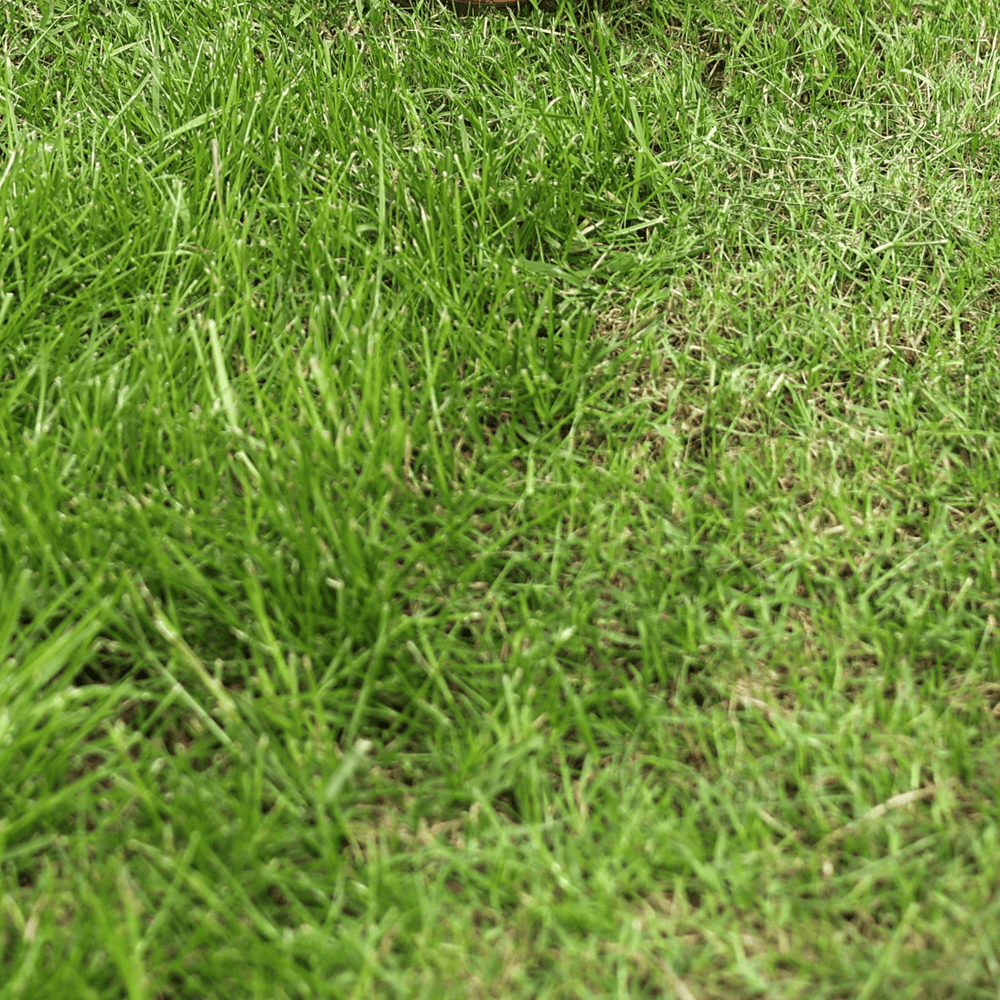
Aerating a lawn doesn’t directly kill weeds at all. It actually creates bare patches that dormant weed seeds quickly exploit. A thick, healthy lawn naturally chokes out weeds by blocking sunlight from hitting the soil. Heavy aeration in winter often triggers a massive explosion of broadleaf weeds.
Dumping sand on top of hard clay doesn’t fix the underlying soil compaction. It often creates a cement-like layer if the two different materials mix poorly. The ground must be physically opened up before applying any topdressing material. Sand only helps if it physically drops down into open aeration holes.
Commercial properties with heavy foot traffic generally need spiking twice a year. Residential lawns usually only require this mechanical intervention once every two years. Sandy soils need it far less frequently than heavy clay profiles. Consistent monitoring dictates the actual required frequency for any given site.
The decision to punch holes in winter depends entirely on how badly the ground is drowning. Preventative work is always better left for the warmer spring months. Dormant grass simply doesn’t have the energy to repair mechanical damage. Only severe waterlogging justifies dragging heavy machinery across a sleeping lawn.
For more lawn care tips, seasonal advice, and eco-friendly product recommendations, follow the Wirri blog. Stay tuned for updates!