×
Subscribe and save 17% with an annual subscription. Learn more.
A solid pre-winter lawn care inspection identifies existing damage before soil temperatures drop below 14 degrees Celsius. When dirt cools past this threshold, grass enters dormancy and stops repairing itself naturally.
Taking care of turf before the cold hits stops minor issues from turning into massive spring repair jobs. Commercial trade crews rely on thorough pre-winter lawn care to keep client properties alive during the coldest months.
One thing most operators reckon is worth checking first is thatch buildup. Thatch is the tight layer of dead stems and roots that forms right above the soil. If that organic layer gets thicker than 12 millimetres, it suffocates the whole root system completely. Water just sits on the surface instead of soaking down into the dirt.
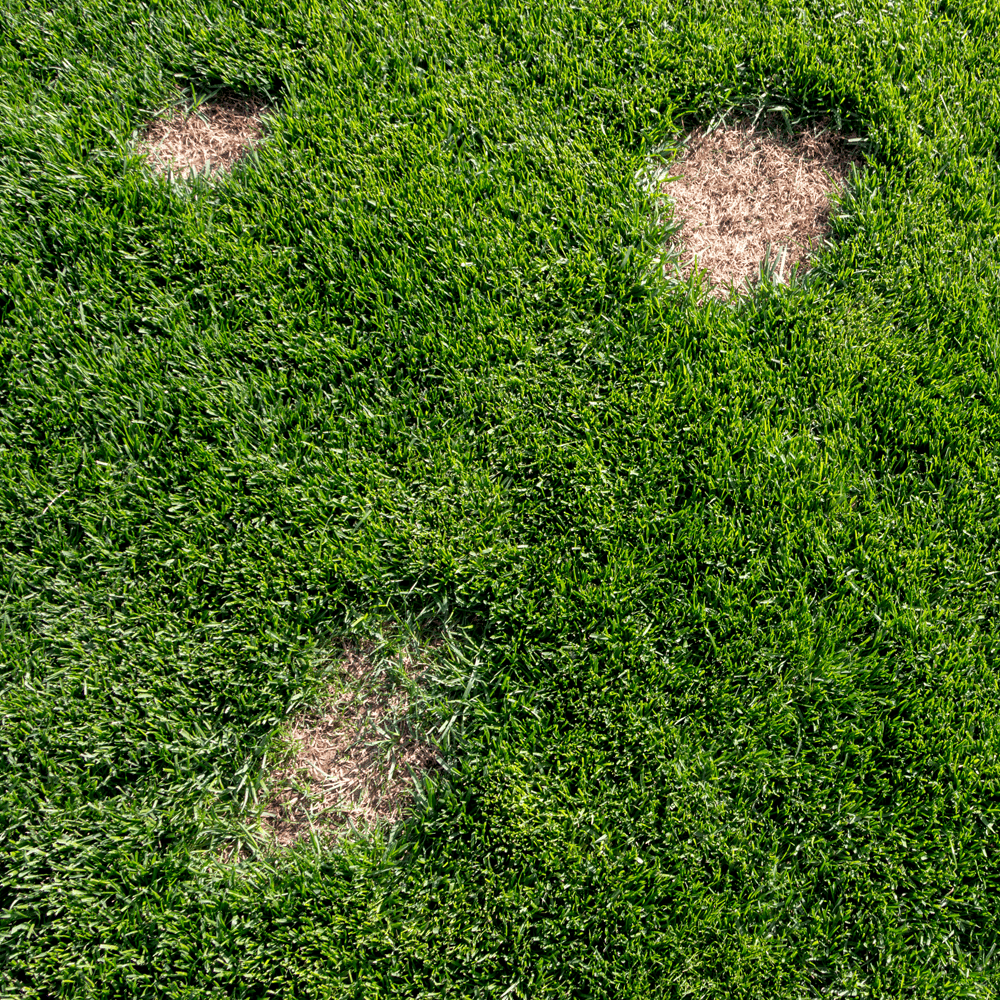
Leaving bare patches exposed before winter guarantees intense weed invasions when the soil eventually warms up.
Winter winds strip topsoil from uncovered areas constantly. This makes it much harder for turf runners to re-establish themselves next year. A proper inspection highlights exactly where the turf has already given up.
Trade professionals agree that patching these spots right now is entirely necessary. Dropping a few squares of solid turf into those gaps buys immediate protection.
Sowing grass seed this late is highly risky because germination rates plummet drastically in cool, wet soil.
Testing for compaction involves pushing a 15-centimetre screwdriver into the ground to see if the soil resists.
If the metal blade stops halfway down, the ground’s too hard for roots to breathe or absorb winter rain. Hard ground means water pools on the surface and slowly drowns the plant over winter.
Aerating before winter opens up the soil profile effectively and lets oxygen reach the root zone instantly.
Trade crews use heavy hollow-tine corers to pull physical plugs out of the dirt. This technique works far better than solid spikes that just squeeze the surrounding dirt tighter.
Finding pest damage early requires digging around the edges of dying patches to locate active insects before they overwinter.
Adult African Black Beetles and late-season Armyworm caterpillars stay active right up until the cold forces them to overwinter deep underground. Stopping the adult beetles now prevents a massive population boom when spring weather rolls around.
Chemical treatments need active insect movement to work properly. Most operators reckon applying granular insecticides while soil temperatures remain above 15 degrees Celsius gets the best knockdown rate.
Waiting too long means the pests retreat deeper into the dirt where the chemicals simply can’t reach them.
Removing winter weeds before they set seeds cuts next year’s weed burden by a massive margin. Broadleaf weeds like Bindii and Winter Grass germinate in autumn and establish strong taproots while the main turf sleeps. Identifying them early means they can be targeted with selective herbicides before they spread out completely.
Spraying out these invaders needs to happen while the lawn’s still actively drawing in moisture. The chemical travels through the plant much faster on a sunny autumn afternoon.
A good inspection spots the tiny, bright green weed rosettes hiding under the taller grass canopy.
Inspecting irrigation systems now ensures broken sprinkler heads get fixed before freezing overnight temperatures snap the internal plastics. Running the system for a quick test cycle exposes hidden leaks and sudden pressure drops. Winter grass needs significantly less water, but it still requires an even distribution when things get extremely dry.
Most trade professionals dial back watering controllers by about half during the transition into winter.
Keeping the soil constantly wet invites severe root rot. Completely dry turf suffers intense cold shock when morning frost hits the frozen blades.
Inspecting the lawn for early signs of fungal disease dictates whether a preventative fungicide spray is strictly required. Circular yellow patches or grass blades covered in fine, white webbing point straight to early-stage fungal outbreaks. Treating these patches before the wet winter weather arrives stops the disease from spreading across the entire yard.
Different turf varieties show vastly different disease symptoms. Couch lawns might develop small dead spots, while Buffalo grass often gets a rusty discolouration across the broad leaves.
Knowing exactly what kind of grass is planted helps identify the specific fungal threat accurately.
Taking a soil sample during the pre-winter check reveals if the turf has access to the right nutrients to survive dormancy. Most Australian lawns prefer a slightly acidic pH level sitting right around 6.5. If the dirt is too acidic or too alkaline, the grass can’t absorb potassium, which is essential for cold tolerance.
A basic testing kit from the local rural supply shop gives a very reliable baseline reading. Pushing a handful of soil into the test tube with the indicator fluid takes barely five minutes.
It reveals exactly what the ground needs before the freeze.
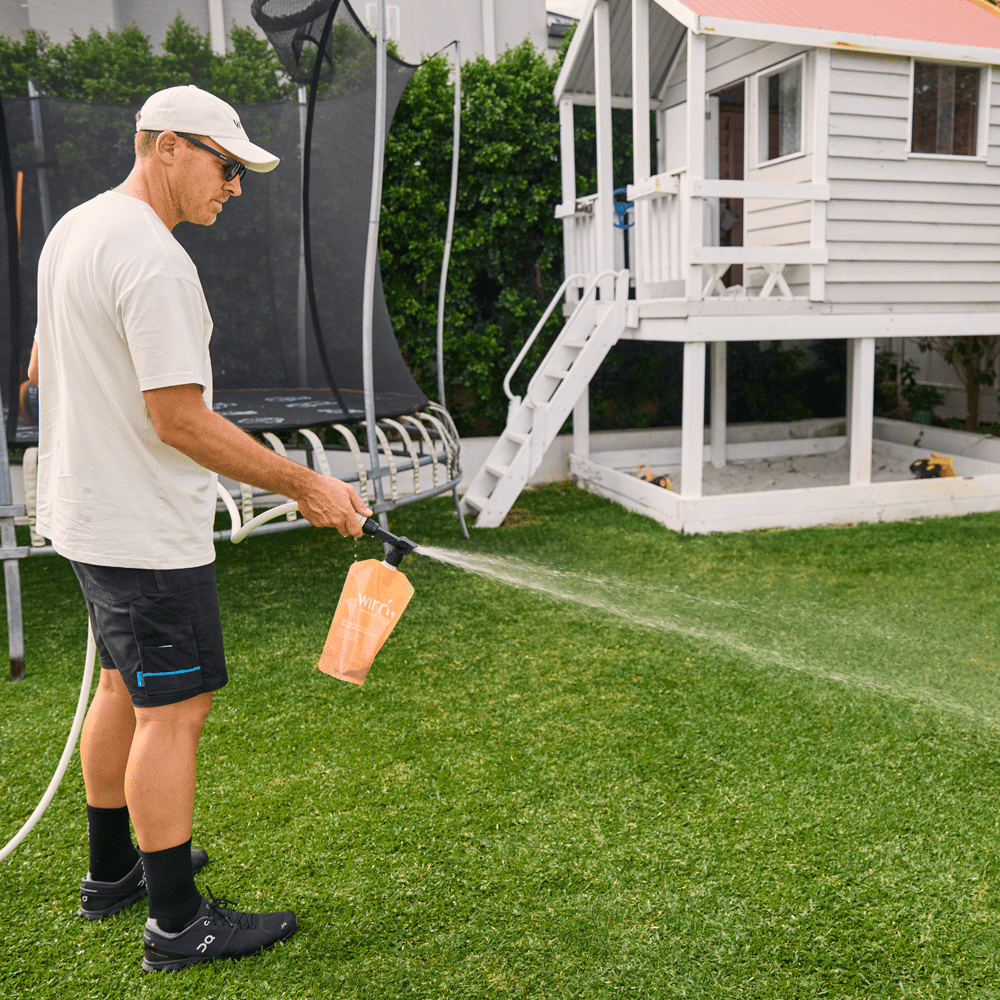
Yellowing grass usually indicates a severe lack of nitrogen or early fungal disease taking hold in cool dirt. A quick physical inspection helps rule out adult root-feeding beetles as the main hidden culprit. Applying a targeted autumn fertiliser often corrects the nutrient imbalance very quickly. If dead spots persist, a chemical fungicide might be required to halt the rapid spread.
Systems shouldn’t ever shut down completely, but the watering frequency needs a massive reduction overall. The soil must stay slightly moist to protect the fragile root system from severe frost damage. Running the sprinklers deeply once every few weeks usually does the job perfectly. Soil moisture levels must be checked with a probe before the automatic system is turned back on.
Laying new solid turf works perfectly right up until the soil temperatures drop below 14 degrees Celsius. The cut roots need a few weeks of mild weather to grab into the topsoil properly. Once the heavy frost hits, the new green rolls just sit uselessly on the surface. It’s always better to patch small holes in autumn rather than waiting for spring.
Mowers shouldn’t run on the absolute lowest setting right before winter sets in. Raising the cutting deck by a few centimetres gives the leaves much more surface area to absorb weak sunlight. Taller grass blades also provide vastly better root insulation against freezing overnight temperatures. Scalping the lawn now causes immense physical stress that lasts for several months.
A thorough pre-winter lawn care inspection acts as an insurance policy that guarantees the turf survives the coldest months intact. Checking for soil compaction, hidden pests, and expanding bare patches now prevents total lawn failure when the grass goes dormant. Experienced trade crews know that diligent autumn preparation always pays off heavily in the long run.
For more lawn care tips, seasonal advice, and eco-friendly product recommendations, follow the Wirri blog. Stay tuned for updates!