×
Subscribe and save 17% with an annual subscription. Learn more.
Operators in the turf trade know that timing makes or breaks surface preparation. Approaching autumn lawn care correctly requires addressing the physical barriers above the soil profile. The ground must be clear before chemical treatments go down. Thatch is the matted layer of dead stems, roots, and organic debris sitting directly between the soil surface and the green grass blades.
A minor layer acts as basic insulation against temperature shifts. Anything exceeding 15 millimetres acts as a waterproof blanket that starves the root system. Removing this barrier ensures water and nutrients reach their target.
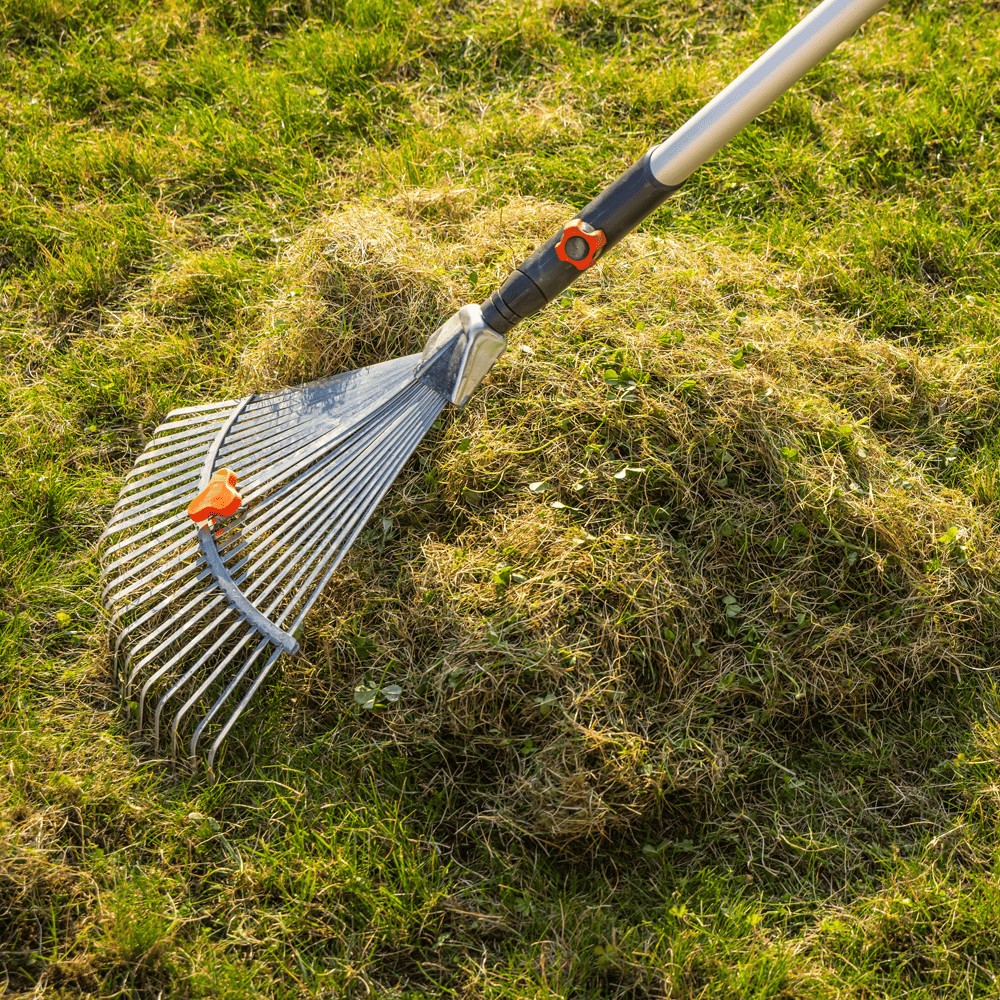
Mechanical thatch removal instantly restores the direct connection between the atmosphere and the soil profile. Dethatching pulls the loose, dead material out of the canopy using spring tines. Scarifying uses fixed steel blades that slice vertically into the dirt. The latter cuts lateral rhizomes and physically opens the ground.
Field experience shows that heavily thatched Couch or Kikuyu lawns feel like walking on a wet mattress. That sponginess indicates a major problem. It traps moisture above the roots and encourages fungal diseases as nighttime temperatures drop. Turf professionals note that scarifying aggressively removes this spongy layer.
It forces the lawn to reset its growing height closer to the ground level.
People often think the grass is ruined after a heavy pass. It looks like a muddy, chopped-up paddock for a week. The reality is that the plant relies on this aggressive physical reset to survive over multiple seasons. Without it, the lawn just keeps building upward until it suffocates itself.
Autumn is the exact window when warm-season turf grasses still have enough active growth to recover from mechanical stress. Attempting this process in late autumn leaves the soil bare and exposed to weeds for months. Doing it in the middle of summer stresses the plant while it battles extreme heat. March and April provide the necessary soil temperatures for rapid recovery.
The common line in the trade is that late summer and early autumn lawn care dictate winter performance. Most warm-season varieties need time to heal before the frost hits.
If a contractor scarifies a residential block in late May, the lawn cops a hammering it can’t recover from. The grass sits looking like a dirt patch until September. Hitting the turf in March gives it a proper crack at generating a fresh leaf canopy. That new canopy then protects the plant’s crown through the coldest months.
Adjusting equipment settings based on the regional soil profile dictates the success of the mechanical intervention. Heavy clay profiles respond differently to vertical blades than sandy coastal strips. Operators must read the ground conditions before dropping the cutting deck. A blanket approach across different regions guarantees failure.
In areas with reactive clays, like parts of Melbourne or Sydney, scarifying deep can create hard, sealed trenches. The blades slice the clay, which then dries and bakes hard in the sun. Turf professionals operating on heavy clay prefer to make multiple shallow passes. This removes the thatch without structurally damaging the upper soil profile.
Western Australia presents the complete opposite challenge. The deep Bassendean sands in Perth hold virtually no moisture or nutrients naturally. Allowing a thick thatch layer to build up over sand guarantees total hydrophobia. The water simply runs off the top.
Contractors working on coastal sands use aggressive blade settings to break through the organic crust. They slice deep enough to mix a small amount of sand with the remaining organic matter. This creates thousands of vertical channels. Those channels act as direct conduits for water and wetting agents.
Setting the machine depth correctly determines whether the operation revitalises the turf or causes permanent damage. The equipment must be calibrated based on the specific grass variety and the measured thickness of the thatch layer. Getting this wrong destroys the lawn structure. Commercial walk-behind units from brands like Ryan or Billy Goat offer micro-adjustments for this exact reason.
Turf professionals note that Buffalo lawns require a delicate approach. Buffalo grows entirely above ground via stolons. Setting a scarifier blade to cut five millimetres into the dirt severs those runners entirely. For Buffalo, operators swap out solid blades for flail blades or spring tines set to flick just through the canopy.
Couch and Kikuyu possess underground rhizomes. They tolerate aggressive vertical mowing very well. Solid blades on these varieties are typically set with a 12-millimetre spacing. The depth is dialled in to cut three to five millimetres below the soil line.
This specific calibration severs the surface runners and triggers aggressive regrowth from the underground root system.
Proper site cleanup requires that the massive volume of extracted dead material is removed entirely from the lawn surface. A standard residential block generates an astonishing amount of waste. A 100-square-metre lawn can easily produce five or six wool bales’ worth of dead plant matter.
Leaving any of this debris behind negates the entire operation. It acts as a breeding ground for pests and blocks sunlight. Contractors use heavy-duty rotary mowers with catching bags to vacuum the site. They drop the mower deck down to the lowest setting for this pass.
Disposing of this waste presents a logistical challenge for most sites. Green waste bins fill up instantly during this process. Professionals always factor the cost of trailer runs to the local municipal facility into the job. Piling the dead material in a corner leads to rapid anaerobic breakdown and foul odours.
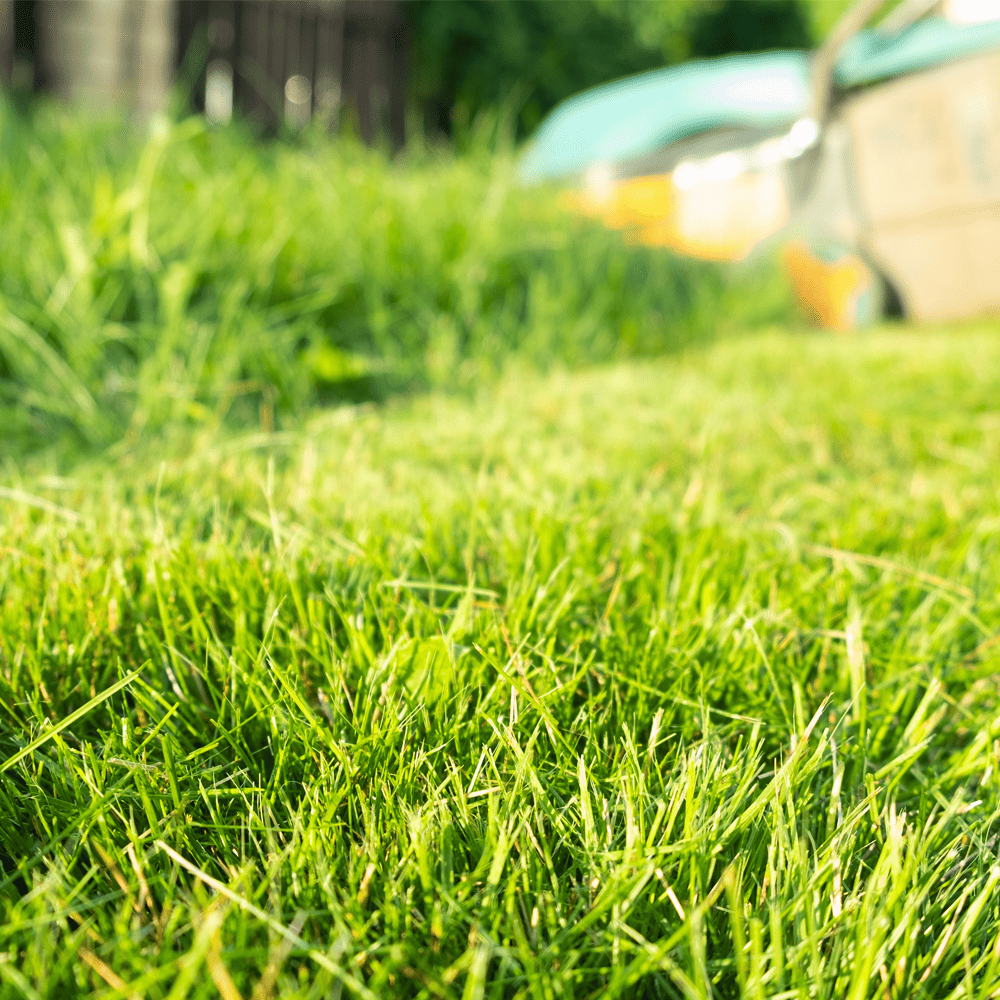
Dethatching uses spring tines to pull loose, dead material out of the grass canopy without disturbing the soil. Scarifying uses fixed steel blades that slice into the ground to cut grass runners and remove deeper thatch. Both processes clean out the turf, but scarifying is a much more aggressive intervention.
Most warm-season lawns like Couch and Kikuyu benefit from a heavy scarification once every one to two years. Buffalo lawns rarely need aggressive scarifying and respond better to light dethatching every few seasons. The exact frequency depends on how aggressively the turf is fertilised and watered throughout the summer.
Yes, applying fertiliser immediately after the mechanical work is standard practice. The open soil canopy allows granular products to reach the dirt instantly. This immediate feeding pushes the lawn to recover quickly before the weather cools down.
When done in early autumn, most warm-season grasses require three to four weeks to completely cover the bare soil. Consistent watering during this period prevents the exposed roots from drying out. The turf will look terrible for the first week before pushing fresh green shoots.
Preparing turf for the colder months involves more than just throwing down a bag of winter-grade fertiliser. The physical condition of the lawn surface dictates how well any subsequent chemical or nutritional applications perform. Letting organic matter build up year after year chokes the root system and wastes expensive inputs.
For more lawn care tips, seasonal advice, and eco-friendly product recommendations, follow the Wirri blog. Stay tuned for updates!