×
Subscribe and save 17% with an annual subscription. Learn more.
Spring is the reset button for most lawns in Australia. Soil warms, turf wakes up, and growth speeds up after winter dormancy. If you get mowing right now, the lawn thickens, resists weeds, and handles summer heat better. If you get it wrong, you chase scalped patches, weak roots, and a stressed lawn all season.
So, let’s lays out simple, practical mowing rules for spring within the wider context of Australian Lawn Care, with clear steps you can follow right away.
Spring sets the growth pattern for the entire warm season. Regular mowing encourages lateral spread and tillering, which fills bare gaps and builds a dense canopy. That density shades the soil surface, reduces evaporation, and blocks weed seeds from getting light. Even if you water and feed well, mowing is still the lever that shapes thickness and resilience.
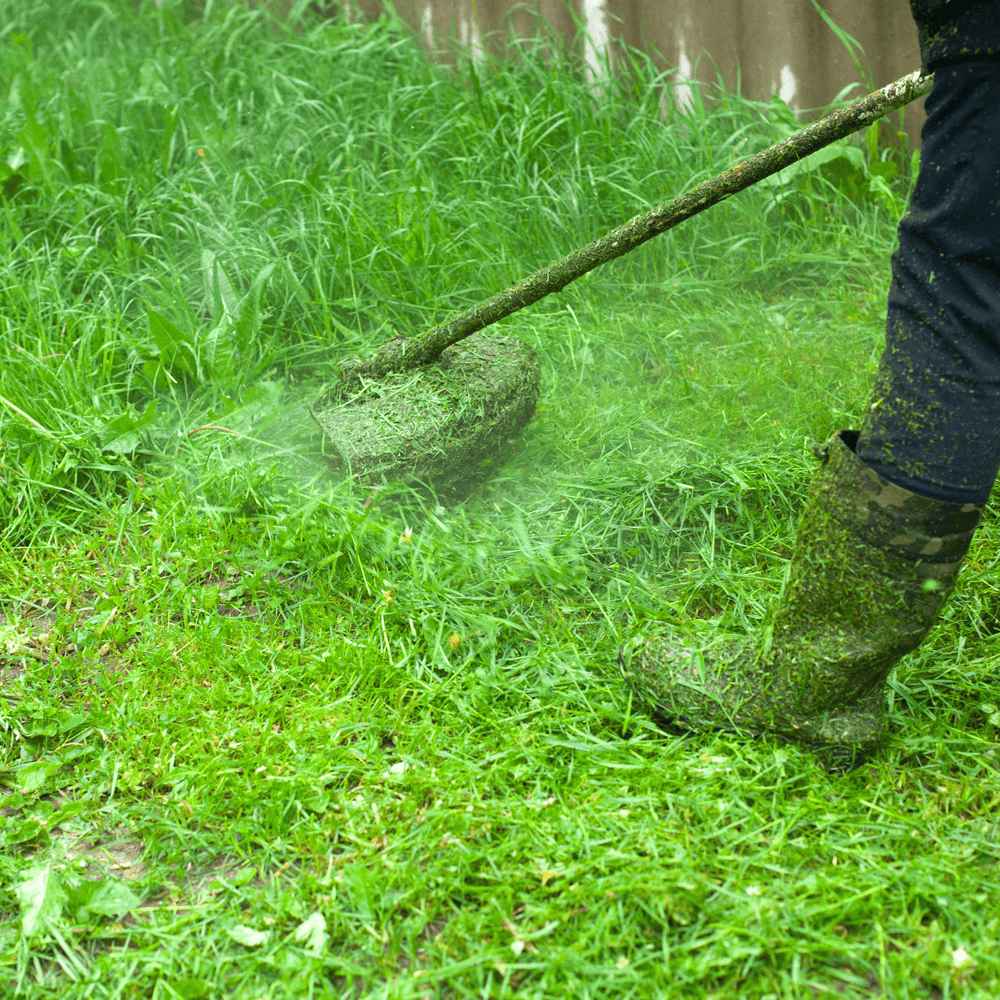
Plan on mowing every 7 to 10 days in early spring, moving to every 5 to 7 days as temperatures climb and growth ramps up. The actual interval depends on your grass type, recent rain, fertiliser use, and soil temperature. Rather than locking into a fixed schedule, use the one third rule. Never remove more than one third of the leaf blade in a single cut. If the lawn grows fast and hits that limit in five days, mow in five. If it grows slowly and does not reach that point for ten days, wait until then.
Different grasses push growth at different times, so mowing frequency shifts by type.
Knowing your turf type prevents overcutting and helps you set a realistic routine that fits broader Australian Lawn Care practices.
Height is as important as frequency. Taller leaf blades support deeper roots and better heat tolerance. Short heights can look neat for a day or two, but they raise water demand and invite weeds.
Adjust height gradually. If winter left the lawn long, raise the deck for the first cut, then step down one notch at a time over two to three mows. Avoid the urge to jump straight to a low setting.
The one third rule protects the plant’s energy reserves and reduces scalping. It also sets your mowing rhythm naturally. If you want a lower height, reduce it over successive mows rather than in one aggressive cut. This rule alone prevents most spring issues and aligns with practical Australian Lawn Care guidelines used by pros and keen home gardeners alike.
Rain and fertiliser trigger quick flushes of growth. When this happens, tighten your interval for a fortnight. A lawn that usually needs mowing every seven days may need a pass at day five, then day nine, to keep to the one third rule. Two lighter cuts are always better than one heavy cut.
Mulch mowing returns nutrients and moisture to the soil and helps build organic matter. In spring, mulching is usually the best default if you are mowing frequently. Switch to catching if the lawn is wet, if disease is present, or if you have let the grass get away on you and need to remove excess clippings. If you catch, add clippings to a compost bay rather than dumping them on garden beds where they can mat and repel water.
Sharp blades give clean cuts that heal faster. Dull blades tear leaf tips, which dry out and turn brown, making the lawn look patchy even when it is healthy.
These small checks pay off in better colour and fewer disease issues later.
Mow first, then water and feed. Cutting just before irrigation helps wash any dust from the canopy and supports quick recovery. If you are applying a granular fertiliser, mow, clear heavy clippings, apply the fertiliser evenly, and water in. If you use a foliar feed, wait a day after mowing so there is enough leaf area to absorb the product.
Lawns rarely grow evenly. Edges near paving can heat up and dry faster. Shaded corners can stay soft and damp. High-traffic lanes thin out even when everything else looks fine.
Small local adjustments save more grass than blanket settings across the whole yard.
You can spare yourself a lot of trouble by steering clear of a few traps.
Avoid these and your lawn will thicken quickly through spring, which is the aim of modern Australian Lawn Care.
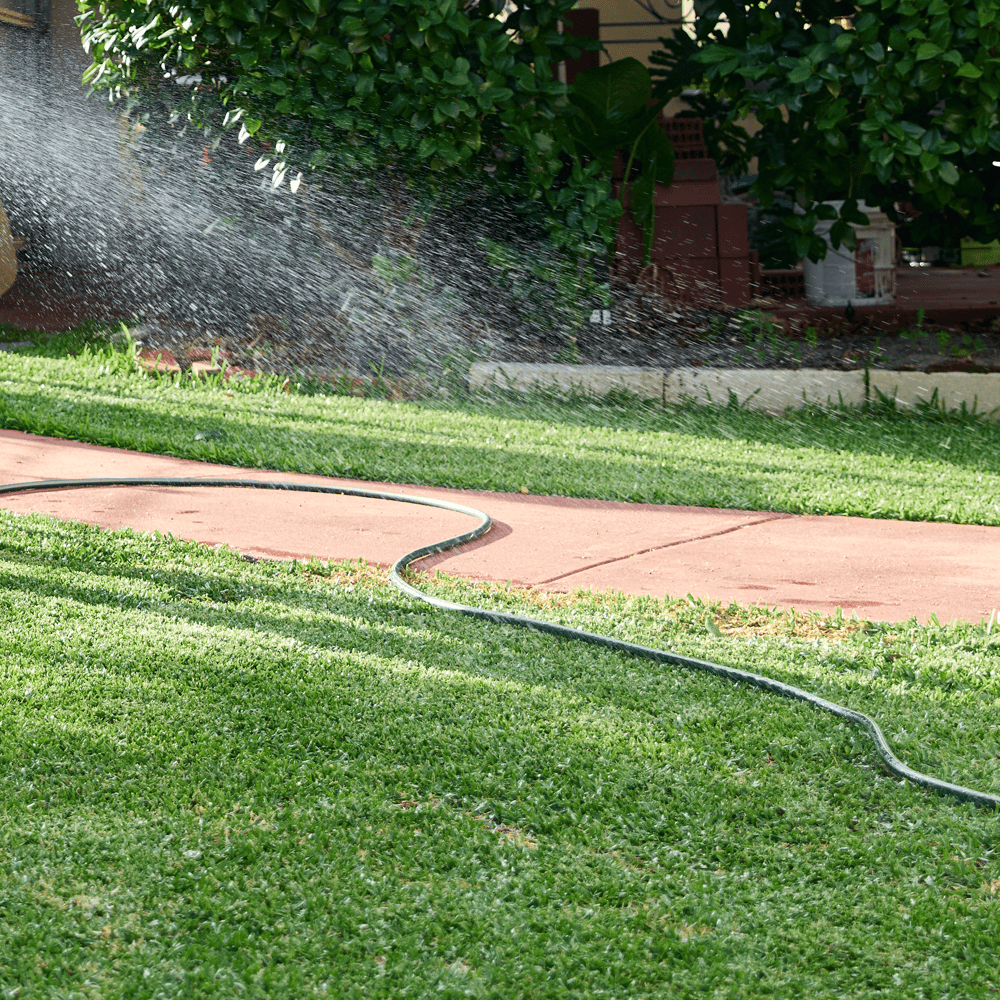
Late spring is the time to prepare for heat. Your mowing plan supports that transition.
A lawn managed this way usually rides out early heat spikes with minimal stress.
Spring mowing is not about a perfect number on the calendar. It is about sticking to the one third rule, setting a height that matches your turf type, and adjusting your interval when rain or feeding speeds things up. Keep blades sharp, mulch most cuts, and mow before you water or feed. As summer approaches, lift height slightly and keep the routine steady.
For more lawn care tips, seasonal advice, and eco-friendly product recommendations, follow the Wirri blog. Stay tuned for updates!