×
Subscribe and save 17% with an annual subscription. Learn more.
New place, fresh turf, hose in hand, bag of fertiliser ready. It is a good start, but healthy lawns in Australia need more than water and feed. Climate, soil type, compaction, and day-to-day habits all affect how grass grows and how it bounces back after heat, wear, and pests. To that end, let’s breaks down the overlooked parts of Australian Lawn Care so you can build a lawn that stays green and resilient through the seasons.
Water and fertiliser are essential, yet they only cover immediate needs. Lawns also need air in the root zone, even moisture across the profile, and a sensible mowing and traffic plan. Think of the job in layers. First, meet basic nutrition and hydration. Next, fix the soil so roots can explore deeper. Finally, keep up a simple routine so problems do not build up quietly.
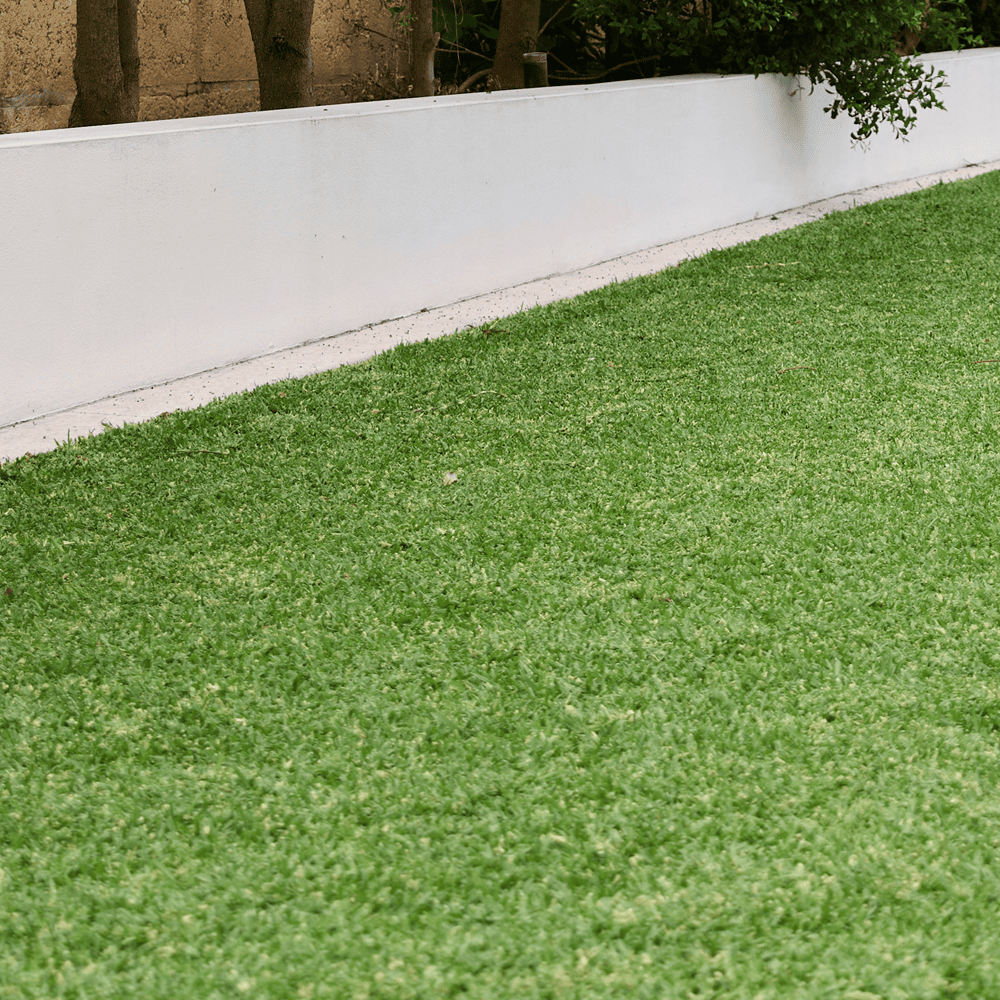
Soils vary across Australia. Many urban blocks have sandy profiles that drain quickly, while other sites have heavier clay that holds water and compacts easily. If you understand your soil, you can match products and habits to the real issue instead of guessing.
Quick ways to learn your soil:
Knowing this helps you decide whether you need wetting agents to help water move through dry sand, gypsum to help disperse clay, or organic matter to improve structure in both.
A wetting agent helps water soak in and spread evenly through the soil instead of beading on the surface or running off high spots. In many Perth and coastal gardens with hydrophobic sands, this is the single most overlooked tool in Australian Lawn Care.
When to use:
How to apply:
The result is more even moisture, better nutrient uptake, and fewer hot spots that go brown first.
Conditioners are not fertilisers. They change the soil’s physical or chemical behaviour so your inputs work better. New homeowners often skip this step because it is less visible than a quick feed, yet it delivers long-term gains.
Useful options and what they do:
Pair these with a wetting agent on sand or an aeration pass on compacted clay for the best effect.
Heavy foot traffic, kids, pets, and mowers all compact soil. Compaction squeezes out air and limits root growth, which makes lawns dry out faster and invites disease. Aeration is an easy fix that many people overlook.
Practical approach:
This single task lifts infiltration, reduces water waste, and helps roots explore deeper so the lawn holds up in heat.
Mowing sets the balance between leaf growth and root strength. Cutting too low strips stored energy and encourages weeds. Leaving it long without a plan can lead to thatch. Aim for a steady pattern.
Smart mowing habits:
Clippings can be mulched back into the canopy for nutrients unless disease is present. If the lawn is wet or disease is active, catch and remove to a compost area away from the turf.
Even with a wetting agent, timing matters. Deep, infrequent watering encourages deep roots. Frequent sips keep roots shallow and stressed.
Set a schedule:
If you see runoff or puddling, pause, let it soak, and resume in short cycles. That way more water reaches roots and less ends up on paths.
Fertilisers feed growth but cannot correct poor structure, compaction, or uneven moisture. Overuse can burn roots or push soft growth that invites pests.
Keep it simple:
Match fertiliser timing to soil work. For example, aerate and condition first, then feed lightly so roots can push into improved soil.
Weeds love bare patches and scalped areas. Pests often follow stressed grass. Diseases flare in humid shade or when thatch builds. An integrated approach keeps chemicals to a minimum.
Routine checks:
Healthy turf that receives even moisture and regular mowing will outcompete most invaders.

Edges near paving, letterboxes, and pet tracks dry faster and compact harder. They need special attention.
Targeted fixes:
This reduces hot spots that repeatedly brown off and keeps the overall look consistent.
If you do only three things this week, make them count. First, improve water movement with a wetting agent so moisture reaches roots evenly. Second, fix the root zone with a simple soil conditioner that matches your soil. Third, set a routine of smart mowing and deep, early watering. Those steps move your lawn from quick fixes to steady gains, which is the heart of effective Australian Lawn Care.
For more lawn care tips, seasonal advice, and eco-friendly product recommendations, follow the Wirri blog. Stay tuned for updates!