×
Subscribe and save 17% with an annual subscription. Learn more.
Summer in Australia can do a number on lawns. Long hot days, warm nights, drying winds, and the occasional water restriction can push turf into survival mode. Most people respond by watering more, mowing differently, or throwing extra fertiliser at it. But a more reliable approach is to make your lawn part of a bigger, healthier system.
When you bring more flora into the space around your turf and support the living soil underneath it, the lawn handles heat stress better, holds moisture longer, and recovers faster after rough patches. The “fauna” part matters too, but in a lawn setting it works best as a supporting player: beneficial insects, earthworms, and the tiny soil life that keep nutrients cycling and the ground breathing.
This is the kind of thinking that keeps Australian lawn care practical in summer: work with the conditions instead of fighting them.
Biodiversity is not just a feel-good idea. In lawn terms, it is a way to reduce stress load. A simple, single-species lawn sitting in full sun with bare soil along the edges is exposed. It heats up quickly, dries out faster, and has fewer natural buffers when conditions spike.
When you add more plant life around the lawn and improve soil biology under it, you create stabilisers that can help the turf keep functioning.
Key summer benefits biodiversity can support include:
The goal is not to turn your lawn into a wild meadow. It is to design a lawn that has backup systems.
Heat stress is not only about the grass blades looking dry. It is a whole-chain issue that usually starts in the soil. When the top layer gets hot and water moves poorly through the profile, roots slow down. When roots slow down, nutrient uptake drops. Once that happens, colour fades, growth becomes uneven, and the lawn becomes more vulnerable to wear, disease, and pests.
Common summer stress signals include:
Biodiversity can help by reducing how extreme those conditions feel for turf, especially at the edges and surface layer where problems start.
If plants are the main feature, think in layers. You do not need a complicated garden bed. Even small changes around the perimeter can shift the microclimate and help the lawn keep moisture and function through heat.
A simple, effective “flora first” approach usually includes:
You are building a better environment for turf, not competing with it.
A lawn in full sun can still do well, but in peak heat it needs more inputs. A lawn with a bit of shade, especially afternoon shade, loses less water and stays cooler. Even partial shading from small trees, pergolas, or taller planting can make a noticeable difference in summer performance.
Practical shade options that still keep lawns usable include:
If you are worried about losing too much sun, aim for dappled light rather than dense shade.
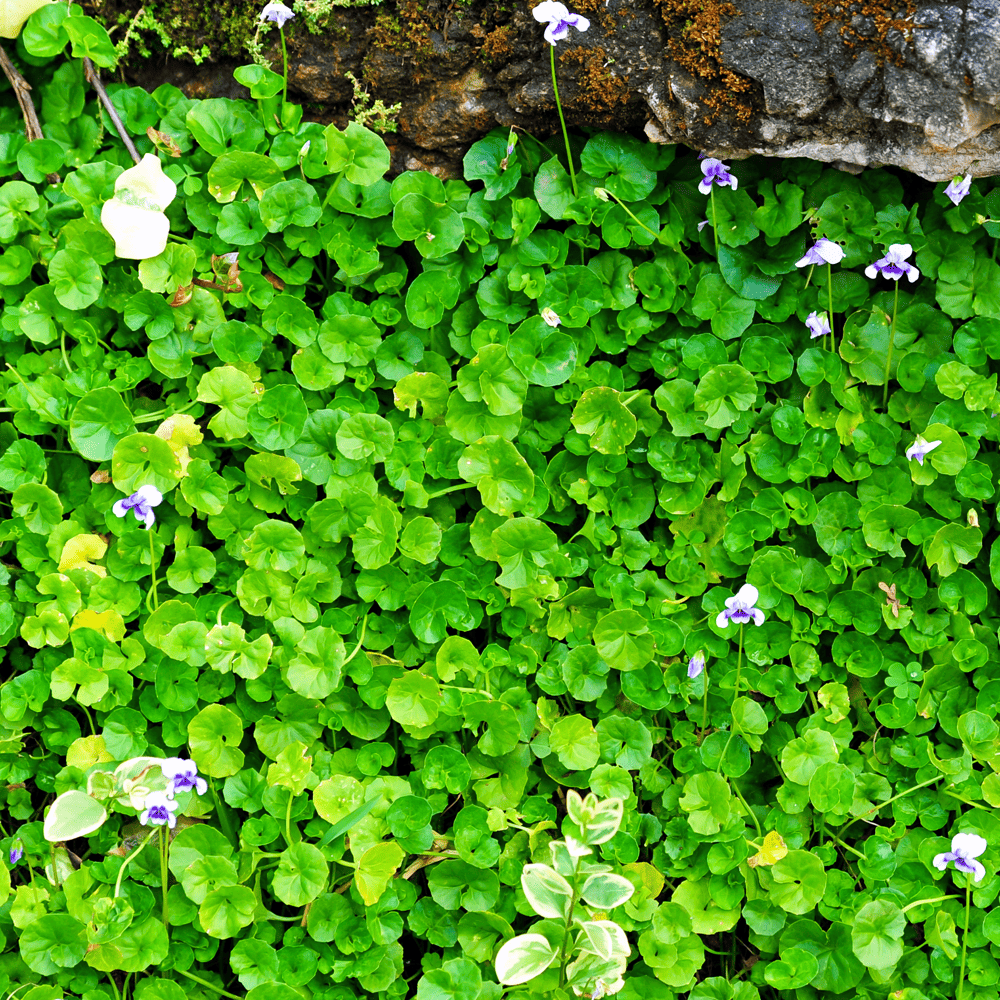
Bare soil edges dry out quickly and act like a heat strip around your lawn. A border of low groundcovers can reduce evaporation, slow runoff, and keep soil life more active. This helps moisture retention because the edge zones are often where watering is most uneven.
Good edge-focused planting habits include:
You are reducing stress at the lawn’s weak points, which improves the whole area.
You do not need a huge pollinator garden to get benefits. A handful of flowering plants near the lawn can attract predatory insects that help keep pests in check, plus pollinators that support broader garden health. This is where fauna becomes a supporting player. You set the stage with flora.
A sensible “small but useful” approach includes:
Even modest planting can shift your yard from pest-prone to more balanced.
When people talk about biodiversity, they often picture birds and bees. In lawns, the biggest wins often come from soil biodiversity. The soil food web helps break down organic matter, cycle nutrients, and improve structure so water moves and holds better.
A lively soil profile supports:
This is core Australian lawn care in summer: keep the soil working so the turf does not stall.

Wildlife in a lawn context should be helpful, not destructive. You want the tiny workers and the natural predators, not animals that dig up turf or hammer the root zone.
Beneficial lawn-friendly fauna includes:
You encourage these indirectly by keeping chemicals targeted, supporting plant diversity, and maintaining healthier soil conditions.
A tough Aussie summer does not mean you need to accept a stressed, patchy lawn every year. When you prioritise flora, support the soil underneath, and treat fauna as the supporting cast, you give your turf a better environment to handle heat, hold moisture, and recover with less drama. It is a smarter, more natural direction for Australian lawn care because it works with how lawns actually survive summer.
For more lawn care tips, seasonal advice, and eco-friendly product recommendations, follow the Wirri blog. Stay tuned for updates!