×
Subscribe and save 17% with an annual subscription. Learn more.
Spring in Australia brings longer days, warmer temperatures, and the perfect opportunity to breathe life back into your lawn after winter. Whether your backyard has suffered from frost, shade, or heavy rain, now is the time to set a solid foundation for healthy growth.
Proper spring preparation ensures your lawn not only recovers but thrives well into summer. This checklist is designed to help homeowners take a structured, proactive approach to Australian lawn care, focusing on climate-appropriate strategies and practical actions that deliver results.
Below, we’ll break down the key steps in your spring lawn maintenance plan so you can stay ahead of issues and enjoy a lush, green outdoor space.
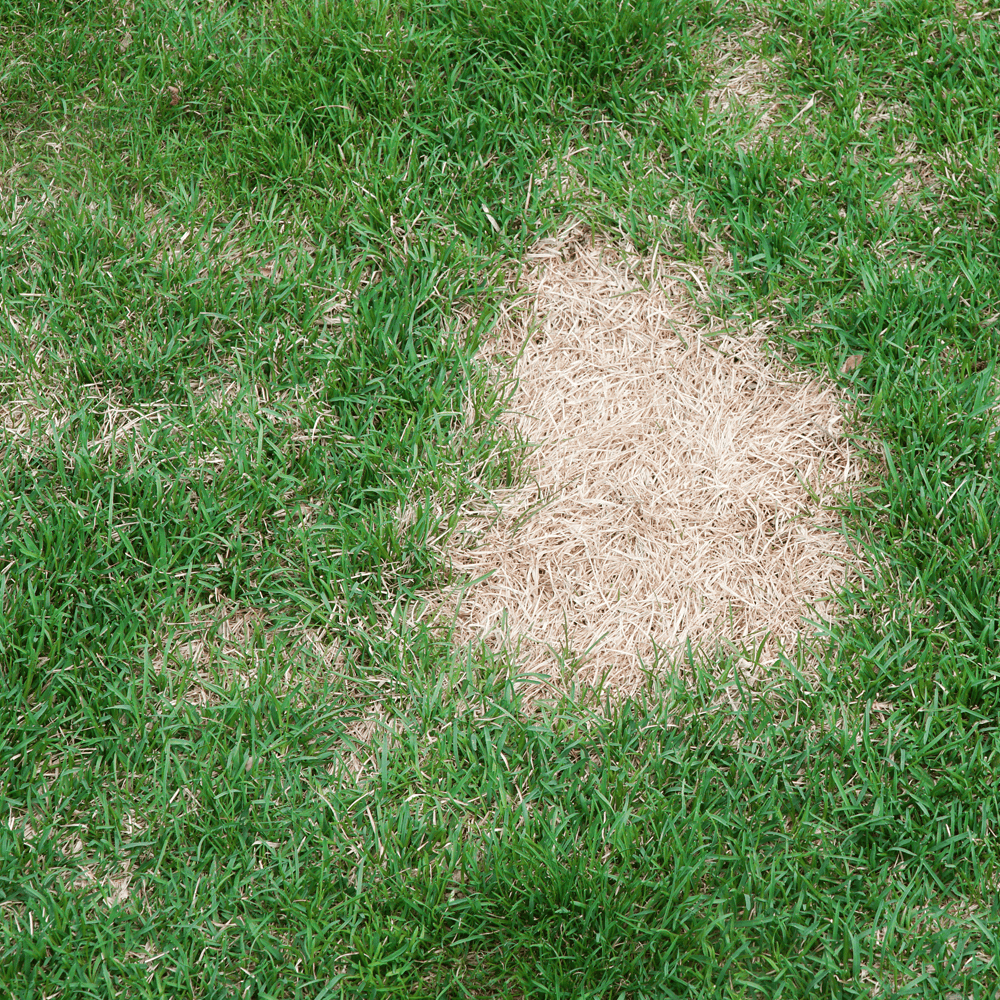
Before diving into the work, take a close look at your lawn’s current condition. Walk across it, check the colour, density, and spot any uneven patches. Look for signs of:
This inspection allows you to identify priority areas and decide whether you’ll need more targeted Australian lawn care solutions such as aeration, topdressing, or pest control.

Winter often leaves behind fallen leaves, sticks, and other organic matter. If this debris remains, it can block sunlight and air circulation, creating ideal conditions for mould and pests. Use a rake or blower to remove it, taking care not to pull up healthy grass.
For lawns with a heavy layer of built-up organic matter, light dethatching may be necessary. This process removes excess thatch so water, nutrients, and oxygen can penetrate the soil more effectively.
Cold and wet winters can lead to compacted soil, which makes it harder for grass roots to grow deeply and absorb nutrients. Spring is the perfect time to aerate.
Lawn aeration involves creating small holes in the soil using a garden fork or an aerator. This improves air exchange, water absorption, and root development. Homeowners in high-traffic yards, or those with clay-heavy soils, will especially benefit from this step.
After months of slower growth, your lawn needs a nutrient boost. Use a quality slow-release fertiliser to encourage healthy growth and rich green colour. In Australian lawn care, choosing the right fertiliser is critical. Look for one with a balanced ratio of nitrogen, phosphorus, and potassium.
Apply fertiliser evenly, and water it in thoroughly to help it penetrate the soil.
Spring weeds grow quickly, especially in warmer and wetter regions of Australia. If left unchecked, they can crowd out your lawn. Early action is the best approach.
You can hand-pull weeds, spot-treat with herbicide, or apply a pre-emergent herbicide that stops weed seeds from germinating. Be mindful of the type of grass you have, as some treatments can damage certain varieties.
If you notice patches where the grass is sparse, overseeding can help restore a full, even lawn. Choose a seed blend suited to your local climate—cool-season grasses like fescue or ryegrass work well in cooler regions, while warm-season grasses such as couch or buffalo thrive in hotter zones.
Lightly rake the surface, spread the seed evenly, and keep the soil moist until the new shoots are established.
As temperatures rise, your lawn will begin growing faster. It’s important to resume regular mowing, but avoid cutting too short. Removing more than one-third of the blade length in a single cut can stress the grass.
Sharpen your mower blades before spring mowing starts. Dull blades tear the grass, leaving it vulnerable to disease. Aim for a cutting height that suits your grass type:
Winter rainfall usually reduces the need for watering, but as the weather warms, lawns require more moisture. Deep and infrequent watering is best, encouraging deeper root growth. Early morning watering minimises evaporation and fungal risk.
For areas prone to drought, consider installing a simple irrigation system or using a wetting agent to help the soil retain moisture.
Spring warmth can trigger outbreaks of pests such as lawn grubs, armyworms, and beetles. Signs of infestation include brown patches, spongy turf, or birds pecking at the lawn to feed on larvae.
Similarly, fungal diseases like brown patch or dollar spot can appear if conditions are warm and humid. Act quickly with targeted treatments if you spot these problems, as they can spread fast.
Topdressing involves adding a thin layer of sand, soil, or a specialised lawn mix over the surface. This can improve soil quality, level out bumps, and promote better root growth.
Spring is an ideal time for topdressing because grass is actively growing and can recover quickly from the process. Be sure not to smother the grass—keep the layer light and even.
A neat edge between your lawn and garden beds or pathways can instantly lift the look of your yard. Use a spade, edging tool, or whipper snipper to create clean lines.
Well-defined edges don’t just look good—they also help stop grass from creeping into unwanted areas.
Lawn care doesn’t end once you tick off your spring checklist. Maintaining your lawn throughout summer is easier if you establish a schedule now.
This might include:
Sticking to a routine will keep your lawn in peak condition year-round.
Australia’s diverse climate means lawn care isn’t a one-size-fits-all task. For example:
Understanding your local conditions ensures your lawn care efforts are effective.
Quality tools and lawn care products make the job easier and more effective. Consider having on hand:
Well-maintained tools save time and give better results, making your investment in Australian lawn care even more worthwhile.
Spending a few weekends in spring preparing your lawn pays off through the rest of the year. A healthy, well-fed, and well-maintained lawn can withstand the heat of summer, resist pests and diseases, and provide a safe, attractive space for your family to enjoy.
Australian lawn care in spring is about working with your climate and your grass type to give your lawn the best possible start. A little effort now will save time, money, and frustration later.
For more lawn care tips, seasonal advice, and eco-friendly product recommendations, follow the Wirri blog. Stay tuned for updates!